
Running a print-on-demand (POD) business can feel like being dropped into a marathon where everyone else started five miles ahead.
Between catchy designs, platform competition, and rising ad costs, you might be asking yourself: Is SEO more effective than ads for POD companies?
It’s a fair question. Ads can drive quick sales, but SEO is the long game that builds a brand people trust. Let’s break it down so you can figure out where your time (and money) is best spent.
5 Key Reasons Why SEO Is More Effective Than Ads for POD Companies
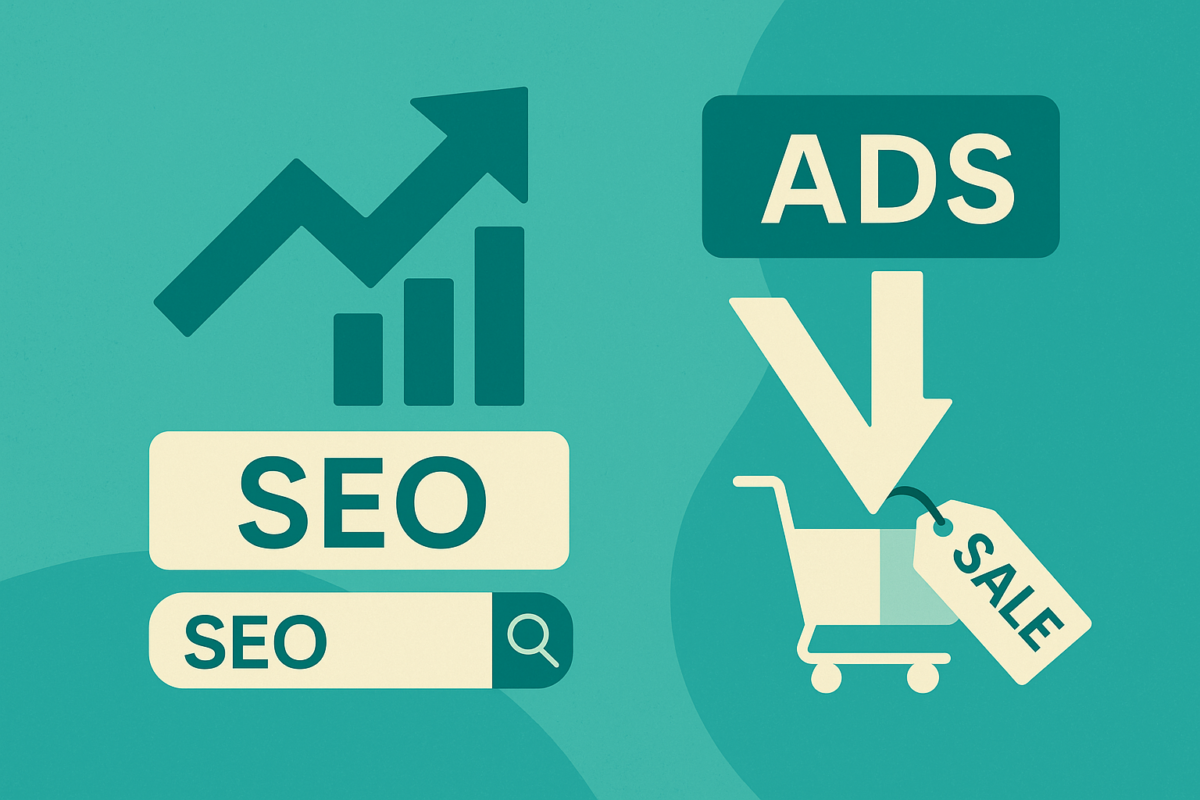
SEO is generally more effective long-term, though ads still have their place. Ads are like turning on a faucet: they bring quick traffic, but the flow stops as soon as you stop paying.
SEO is more like digging a well; slower to build, but once established, it delivers consistent traffic and sales without draining your budget.
1. SEO Offers Long-Term Growth
Unlike ads that stop working the moment you stop paying, SEO builds momentum over time. Each product page or blog post can rank and keep bringing in traffic for months or even years.
For POD sellers, this means compounding growth instead of a constant fight to outspend competitors.
2. Better Margins for POD Businesses
Print on demand already runs on thin margins. With ads, every click costs money, and if conversion rates dip, profits disappear. SEO doesn’t have that ongoing cost-per-click drain, making it easier to keep products profitable even at lower price points.
3. Capturing High-Intent Shoppers
People searching for “custom cat hoodie” or “funny mug for teachers” are already in buying mode. SEO targets these warm, intent-driven shoppers, while ads often interrupt cold audiences scrolling TikTok or Instagram. Capturing buyers at the right stage of their journey makes SEO more cost-effective.
4. Building Brand Trust and Credibility
Ranking organically signals to buyers that your store is trustworthy. Shoppers often scroll past ads but pay more attention to the top organic results. For POD brands, this credibility can mean the difference between a one-time impulse purchase and a loyal repeat customer.
5. Sustainability in a Competitive Market
Ad platforms keep getting pricier and more competitive. SEO gives POD businesses a sustainable growth engine that isn’t dependent on fluctuating ad costs or platform policy changes. Once you’ve built strong rankings, your visibility is far more resilient.
The Case for SEO in Print On Demand: Driving Sales Without Ads
For a print on demand store, SEO can be the difference between scraping by and scaling profitably. Unlike ads that need constant spending, SEO builds assets that keep driving traffic long after they’re published. Here’s why it works so well:
- Compounding Growth: Every optimized page you create has the potential to rank and bring in traffic for years. One blog post about “Best Gifts for Dog Lovers” could keep funneling customers to your POD dog mug collection without additional cost.
- Trust and Credibility: Customers often trust organic search results more than ads. Ranking high on Google signals authority, which is crucial in a crowded market.
- Better Margins: Once the content is created, SEO traffic doesn’t cost per click. This means higher profit margins over time compared to PPC campaigns.
- Capturing Intent: Someone searching “custom cat sweatshirt” is much closer to buying than someone scrolling Instagram and seeing your ad randomly. SEO captures this buyer intent.
Of course, SEO takes time, usually 3–6 months before results snowball. But once it kicks in, it’s one of the most powerful growth levers for POD.
The Case for Ads in Print On Demand: Why Speed Matters
Now let’s give ads some credit; they’re not the villain. They’re often the fastest way to test designs and niches.
- Instant Visibility: You can launch an ad campaign today and have traffic (and maybe sales) tonight.
- Testing Ground: Ads are perfect for testing which designs resonate before investing in SEO for that niche.
- Scalable Reach: With enough budget, you can scale quickly, something SEO can’t do overnight.
The issue? Costs. Between Facebook, TikTok, and Google Ads, the average CPC is climbing, while ad platforms are becoming more competitive. Many POD sellers get caught in the trap of spending more on ads than they make back in sales.
Ads are like rocket fuel: great for liftoff, but unsustainable as your only growth engine.
SEO vs. Ads: Side-by-Side Comparison for POD Stores
When you’re running a POD business, every dollar counts. That’s why it’s helpful to look at the numbers side by side. Ads can bring instant results but at a rising cost, while SEO demands upfront effort but pays off with compounding returns. Here’s how the two stack up:
| Factor | Ads | SEO |
| Cost per Click (CPC) | $0.50–$2.00+ on average for ecommerce niches | No direct CPC; traffic is organic |
| Profit Impact | If your margin is $8 but ad spend per sale is $10, you’re in the red | Higher margins since traffic is free once rankings are established |
| Scalability | Scaling requires more ad spend; costs rise with growth | Scaling doesn’t always raise costs; one blog post can double in traffic |
| Investment Type | Continuous spend for visibility | Upfront investment in content, optimization, and link building |
| Longevity | Stops the moment you pause spending | Keeps driving traffic long after content is published |
How POD Brands Can Balance SEO and Ads
The smartest POD companies don’t pick sides; they use SEO and ads together at different stages of growth. Ads provide speed, while SEO builds stability. Here’s how to strike the right balance:
Early Stage
Every true SEO consultant and expert knows that you should use ads to test new designs and validate niches quickly before investing heavily in content or SEO.
This helps you avoid wasting months optimizing for a product that doesn’t resonate with buyers. Once you know what sells, you can start building SEO content around those proven products.
Scaling Stage
Double down on SEO for your proven winners while keeping smaller ad campaigns to maintain momentum.
SEO becomes your long-term engine here, but ads are still useful for pushing top designs into new audiences or experimenting with seasonal angles. Together, they create a steady growth curve instead of unpredictable spikes.
Mature Stage
Rely on SEO for steady organic sales, using ads strategically for promotions, retargeting, and seasonal pushes.
At this stage, your SEO foundation carries most of the weight, but ads act as boosters, helping you maximize peak shopping periods like holidays or catch customers who visited but didn’t buy.
Common Mistakes POD Sellers Make with Ads
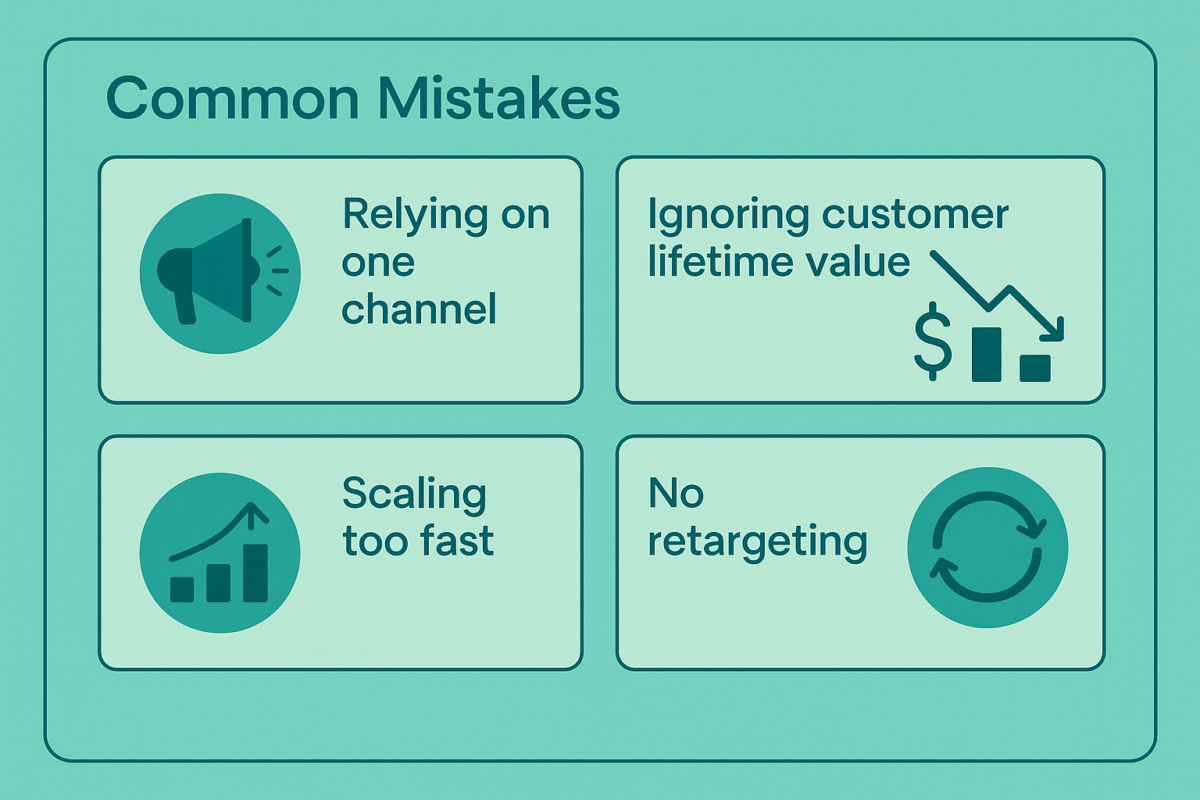
Ads can be powerful, but they’re also a double-edged sword. Many POD sellers jump in too quickly, chasing fast sales without a solid strategy, and end up burning through cash. To make ads work, it’s just as important to know what not to do. Here are some of the most common pitfalls to avoid:
- Relying on One Channel: Putting all your budget into Facebook without diversifying is risky.
- Ignoring Customer Lifetime Value: Many sellers focus on immediate ROAS (return on ad spend) instead of nurturing repeat customers.
- Scaling Too Fast: Pumping money into ads before validating profitability can sink your budget.
- No Retargeting: Skipping retargeting campaigns means you’re paying to reach cold audiences repeatedly.
If you are running ads, combine them with email, retargeting, and SEO to stretch every dollar.
SEO Wins for Long-Term POD Success
So, is SEO more effective than ads for a print on demand store? Yes, for most sellers, SEO delivers more sustainable growth, higher margins, and stronger brand authority.
Ads still have their place, but they’re best used as a complement to SEO, not a replacement. Think of SEO as your foundation and ads as your accelerant. Build your POD store with content and optimization, then use ads strategically for testing and short-term pushes.
Ready to go the distance? Partner with an SEO agency that can craft a strategy tailored to your POD store